In the context of World Neglected Tropical Diseases Day, commemorated every 30 January, we share this interview with agents from the international organisations of the Quadripartite Alliance in the Americas region – Maria Mesplet (WOAH), Larissa Zanette (FAO), Ana Margarita Botello (PAHO/WHO), and Fabrizzio Canaval (UNEP). Together, they share their views on the challenges posed by endemic, neglected, and vector-borne zoonotic diseases in the region, based on their experience coordinating a workshop in San José, Costa Rica, aimed at strengthening governance in the face of this challenge.
Maria Mesplet (WOAH): In our region, diseases such as brucellosis and hantavirus persist because the conditions that allow for their continued transmission remain present. The growing interaction between people, animals, and wildlife, coupled with land transformation, encourages reservoirs and vectors to move into populated areas. Added to this are the effects of climate change, which amplify the seasons and areas of circulation of mosquitoes and other vectors. We also face challenges in joint surveillance between sectors and in equitable access to health and veterinary care services, especially in rural, remote and vulnerable areas. When these factors converge, a scenario is created where transmission is sustained and difficult to interrupt without a comprehensive ‘One Health’ approach.
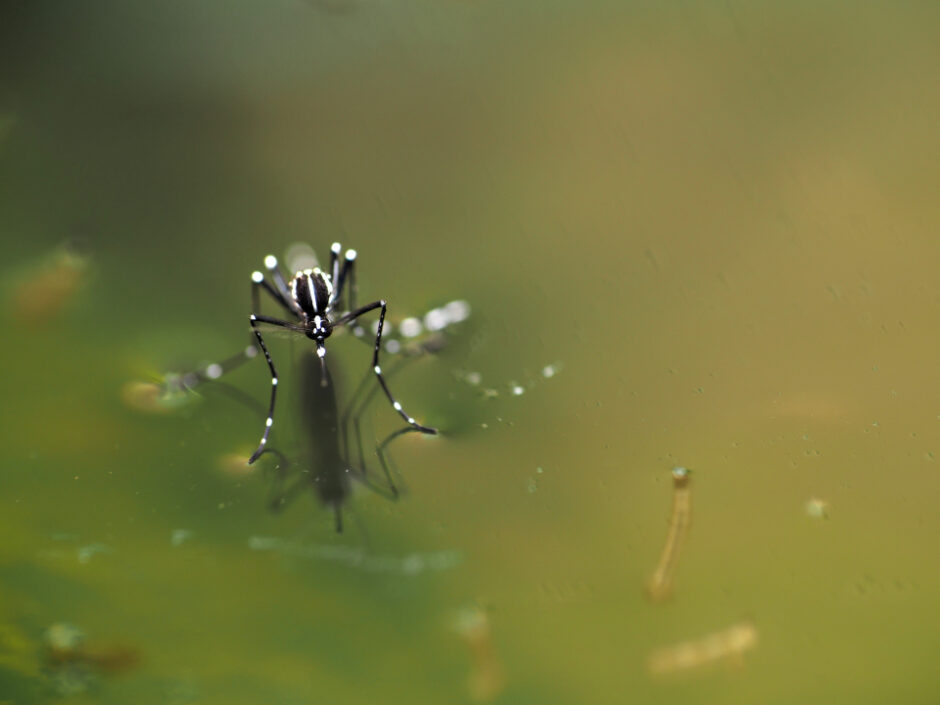
Endemic zoonotic diseases are those that remain constant in a region; neglected diseases mainly affect vulnerable populations and receive less attention and resources; and vector-borne diseases are those spread by mosquitoes or other invertebrates that carry the pathogen and transmit it when they bite.
Ana Margarita Botello (PAHO/WHO): Our four organisations work from different but complementary mandates, which allow us to address these diseases from all angles. WOAH works to improve animal health and welfare by working together with Veterinary Services; WHO/PAHO guides public health actions and leads the surveillance, prevention and control of diseases in humans; FAO supports countries in sustainable food production and prevents a health crisis from becoming a food crisis; and UNEP integrates the environmental dimension, which is essential for understanding how ecosystems and climate change influence transmission and for establishing prevention strategies to address them. When we combine these capacities and perspectives, we facilitate intersectoral coordination and the development of more effective and sustainable joint policies and actions among countries. This allows them to plan preparedness and response with a preventive approach at the human-animal-environment interface, strengthen integrated surveillance systems, and act coherently in the face of common health risks.
Larissa Zanette (FAO): What we have learned is that joint work at both the regional and national levels is not only useful, but indispensable. When human health, animal health, agriculture and environment sectors sit down at the same table, decision-making and early detection of health risks improve significantly. Regional experience shows that countries that have formalised coordination spaces, that share data between sectors on an ongoing basis and that involve communities in prevention, achieve more timely and effective interventions and responses. We have also seen that cooperation must be sustained over time, not just activated in times of crisis. Ongoing preparedness and prevention, the formation of interdisciplinary teams, and stable funding are key lessons that guide our support to countries.
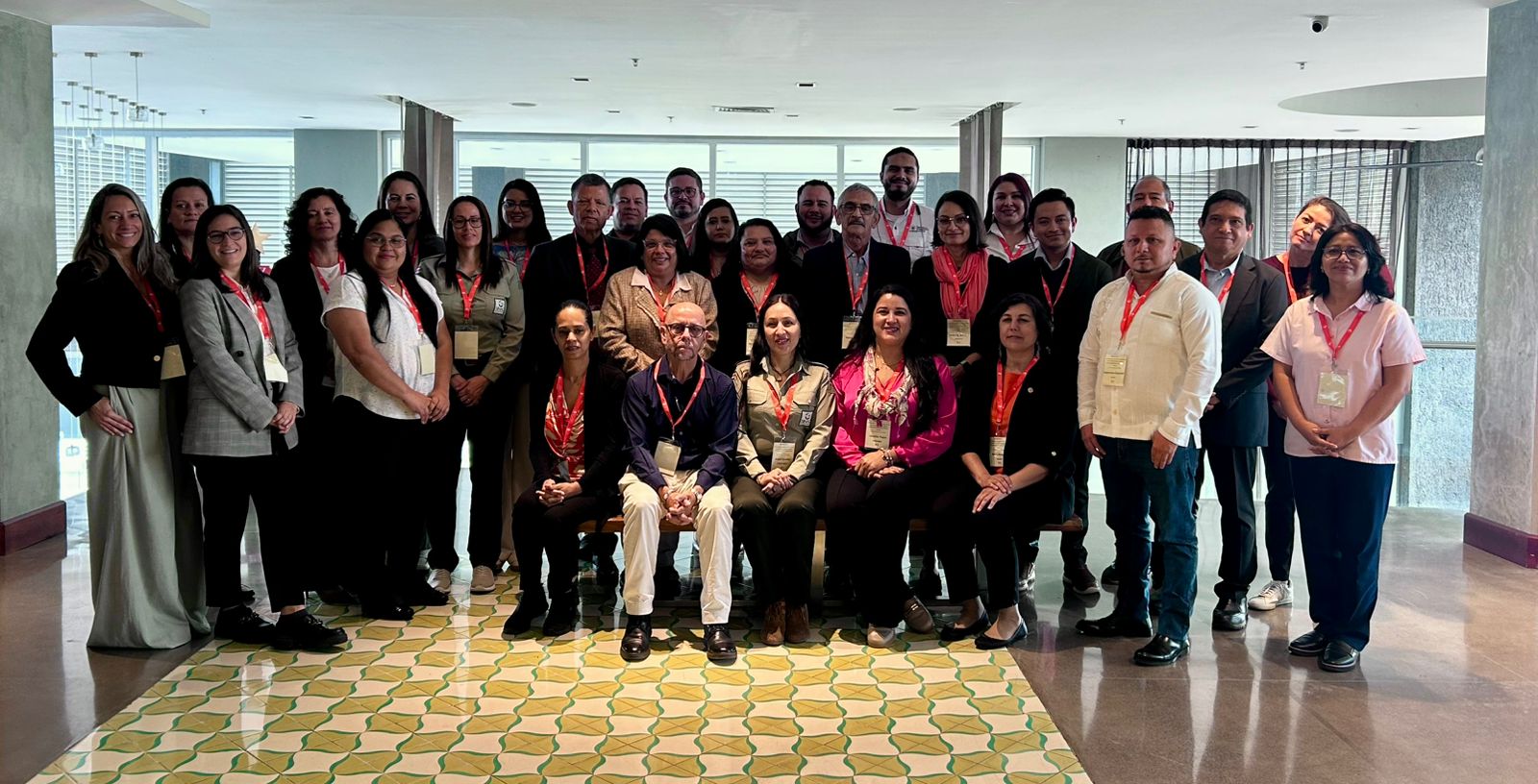
In December 2025, a workshop was held in San Jose, Costa Rica, bringing together all health sectors from five Central American countries to strengthen governance and surveillance of priority zoonotic diseases.
Fabrizzio Canaval (UNEP): The One Health Joint Action Plan (OH-JPA) is the global roadmap that our organisations developed to help countries transform the principles of ‘One Health’ into concrete measures. This plan brings together coordinated actions to strengthen prevention, surveillance, reduce risks in food systems, improve natural resource management and environmental protection, and consolidate intersectoral governance structures. It is designed so that each country can adapt it to its reality, priorities and operational capacity. Its implementation involves creating or strengthening coordination mechanisms between ministries, integrating animal, human and environmental health data, establishing prevention and mitigation strategies, and ensuring that these actions have stable funding and clear monitoring indicators. Our goal is for the plan to be a practical guide that facilitates informed decisions and more robust responses.
Maria Mesplet (WOAH): Veterinary Services play a key role because they detect warning signs where diseases often begin: in animals. Their presence in the territory and their ability to identify changes in animal health allow them to anticipate risks to humans. In addition, they implement preventive measures such as vaccination, active surveillance and control of animal movements, which reduces disease spread before it reaches the human population. They also provide essential technical information for understanding how pathogens behave in animal reservoirs and what measures are most effective in interrupting their transmission. Strengthening Veterinary Services means strengthening the country’s first line of health protection.
For more information: