Bovine tuberculosis (TB) is a chronic infectious disease caused by Mycobacterium bovis, which primarily affects cattle and can be transmitted to other domestic and wild animals, as well as to humans, posing a challenge to public health and the economy across the Americas.
World Tuberculosis Day is observed on 24 March each year to raise awareness of the social, economic and health consequences of this disease and to accelerate efforts to end it. This date commemorates the day in 1882 when Dr Robert Koch announced that he had discovered the bacterium that causes TB, which made it possible to diagnose and cure the disease.
To join in the celebrations, WOAH is organising a webinar on the role of wildlife in TB, its impact in the Americas, and the importance of the ‘One Health’ approach to tackling it.
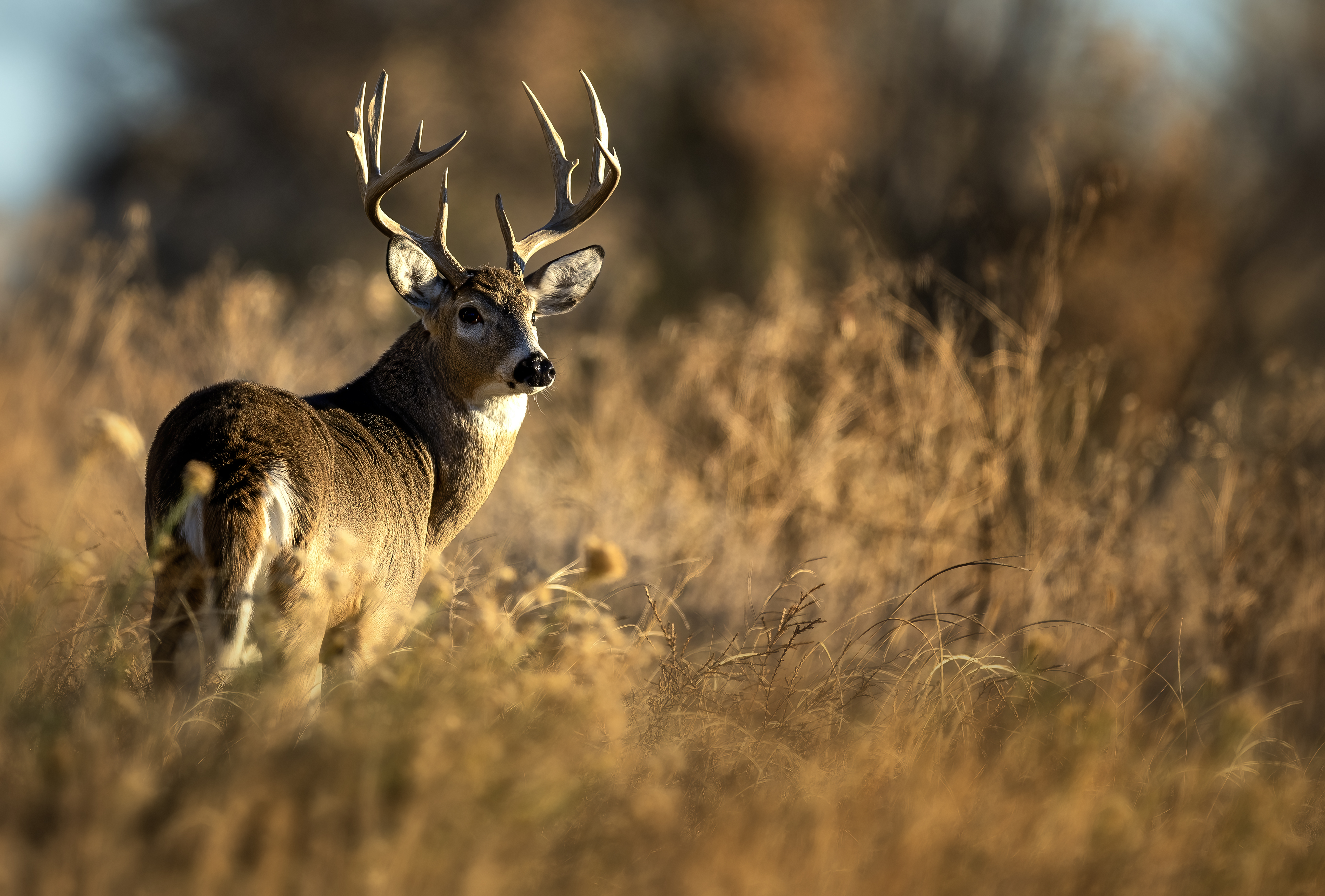
Tuberculosis remains a serious animal and human health problem in many countries across the region and can result in significant economic losses. Wildlife plays a key role in the dynamics of the disease, acting both as a reservoir and as an affected population. ‘One Health’ collaboration and community involvement are key actions for raising public awareness and making progress in controlling the disease. This seminar will provide tools to enable participants to implement these actions, drawing on the experiences of various stakeholders in the region.
This event is open to the general public. It is primarily aimed at staff working in veterinary and wildlife services, biologists and conservationists, students, teachers and researchers, amongst others.