Across the Americas, professionals in animal health, human health, the environment, agriculture and local communities work every day on an idea which, although it can be expressed in many ways, always points to the same thing: understanding that the health of the planet is deeply interconnected. This is the foundation of the ‘One Health’ approach.
For Dr Hugo Mantilla, a member of the ‘One Health’ high-level expert panel, this idea can be understood as a way of explaining how we coexist with the rest of life on the planet: “The concept of One Health is the grammar of human coexistence with all other forms of life on which we are highly dependent”.
Maintaining the balance of ‘One Health’ is not an abstract concept. It means recognising that our health depends on the many elements around us: the animals, plants and ecosystems that sustain life.
In the same line, Dr Isaias Montilla, emergency adviser to the Pan American Health Organization (PAHO) in Panama, describes this concept as a way of viewing the world from a broader perspective. “One Health refers to a holistic approach to managing these three major systems: humans, animals and plants.”
In this shared home that is planet Earth, animals play fundamental roles in ecosystems and also in human life. Our relationship with them – whether in food production, in daily coexistence, or in the environment – forms part of a shared system.
But understanding that relationship is not merely a scientific matter. For Montilla, it also involves recognising the value of the knowledge accumulated over generations within communities. “The knowledge of indigenous communities plays an important role because they have a clear vision of care and of how we should relate to the environment and animals.” For Silvia Salina, director of the Ngäbe Association of Traditional and Natural Health Practitioners (ASATRAN), understanding the concept of ‘One Health’ opens up new opportunities to strengthen community health.
From an environmental perspective, Dr Lisette Trejos, a veterinarian specialising in aquatic animals at Panama’s Ministry of the Environment, observes this connection in the ecosystems that sustain life. “The One Health concept is the interrelationship that exists within ecosystems.”
In the agricultural sector, Johany Gonzalez, an agricultural engineer specialising in tropical crops, sums up the concept simply: “One Health means balance, the environment and quality of life.” That balance also involves making responsible decisions to prevent health problems in one sector from affecting others.
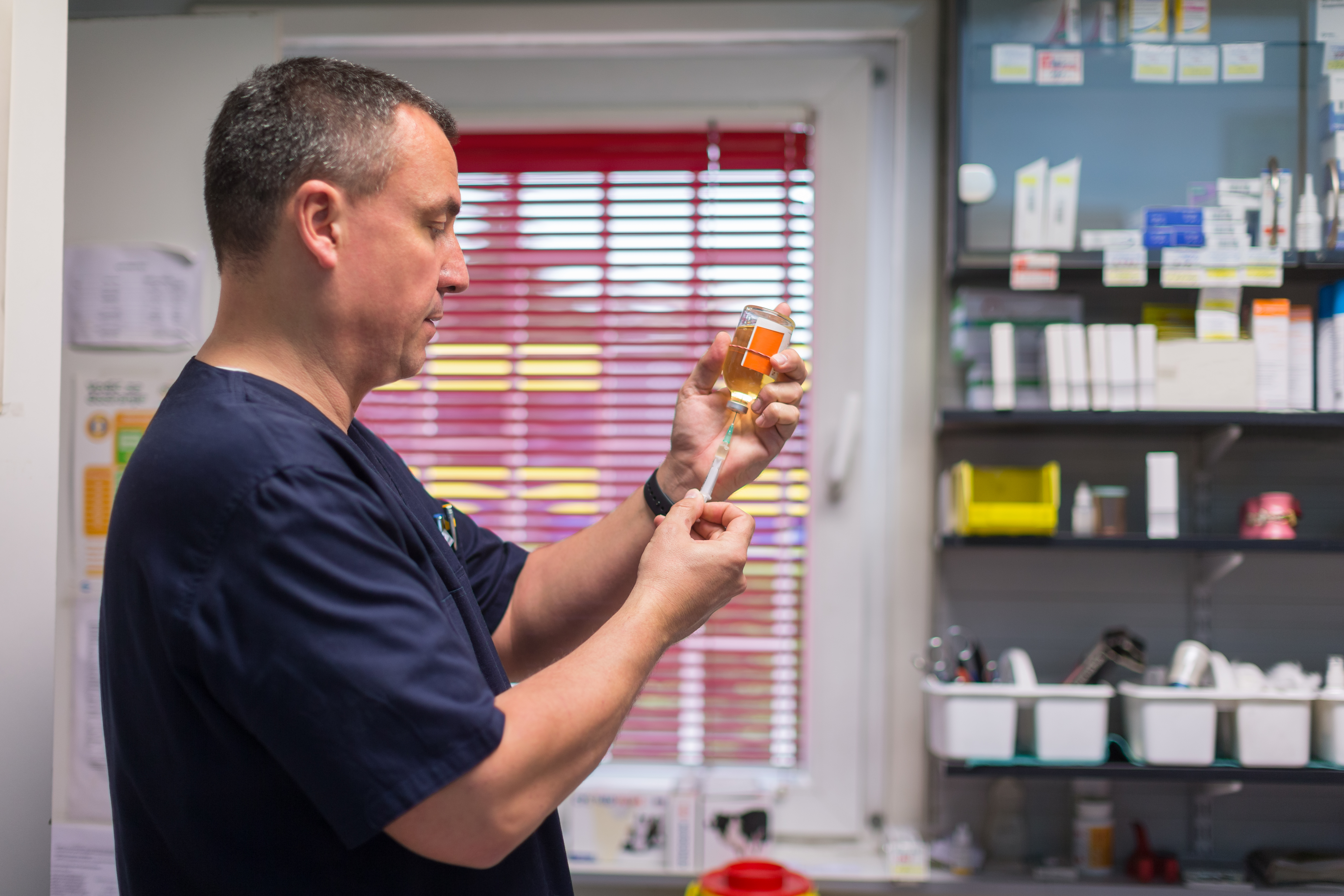
As Dr Catya Martínez, Sub-Regional Representative of the World Organisation for Animal Health (WOAH) for Central America and the Caribbean, explains: “Animal health is a fundamental pillar of the One Health approach. Strengthening veterinary services and health surveillance not only protects animals, but also helps to prevent diseases that can affect people and ensure safer food systems.”
From ideas to action
This approach guides the work of WOAH and its partners at regional level in the Americas. In response to health challenges, WOAH works alongside the Food and Agriculture Organization of the United Nations (FAO), the United Nations Environment Programme (UNEP) and the World Health Organization (WHO) under the One Health Joint Plan of Action.
The One Health Joint Plan of Action identifies six priority areas for addressing challenges at the interface between humans, animals, plants and the environment, including strengthening health systems, preventing pandemics, controlling zoonotic diseases, food security, combating antimicrobial resistance and integrating the environment into health policies.
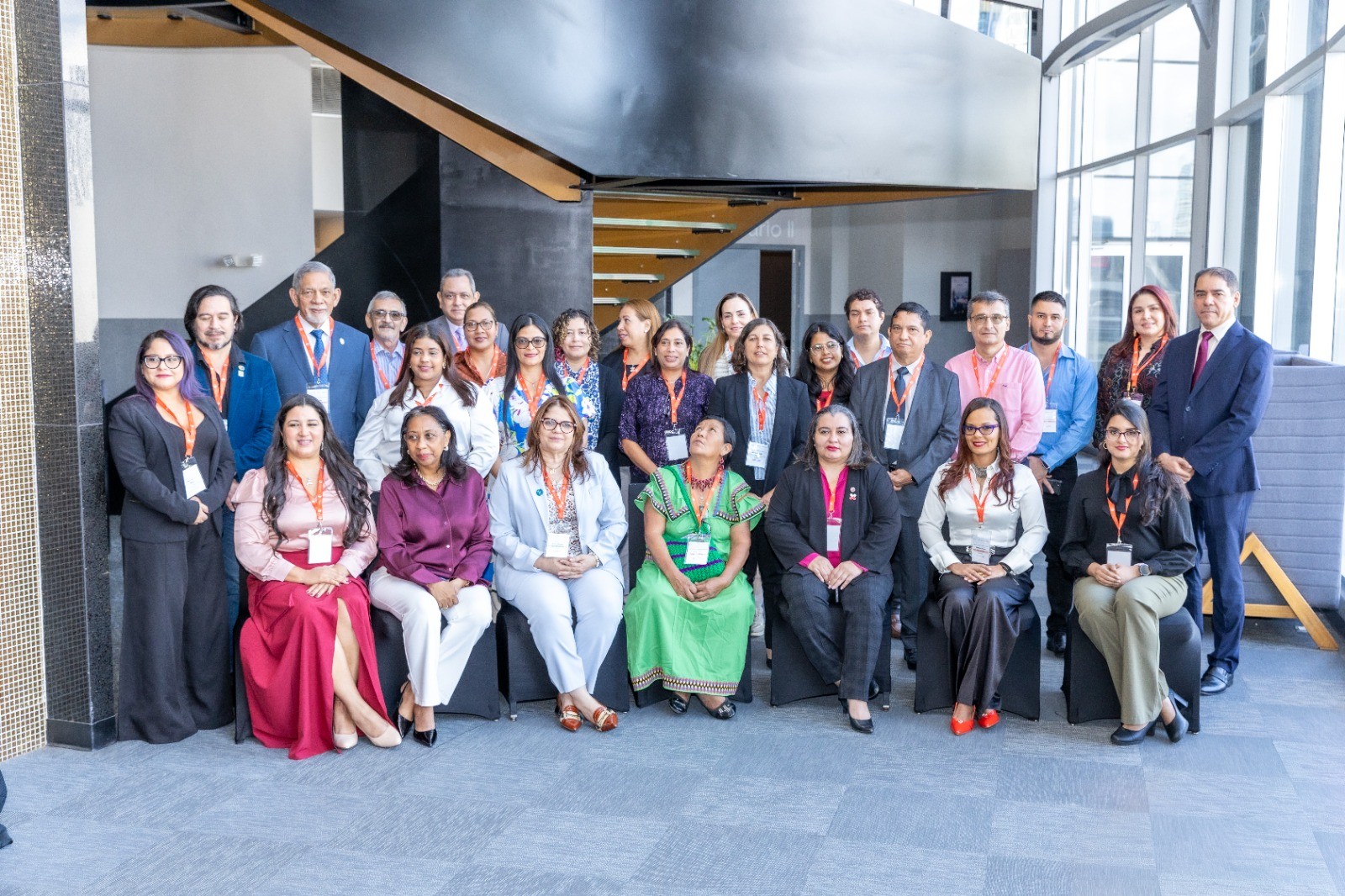
In 2024, to advance the implementation of this approach at regional level, WOAH conducted a national situation analysis that identified stakeholders, capacities and opportunities for coordination in Bolivia, as a pilot country. This initiative was extended to Panama where, to present the results obtained and establish priorities for advancing the implementation of this approach, a national workshop bringing together the various sectors was held in February 2026.
Because, as those working on the ground in different areas demonstrate, viewing health as a shared system is also a way of building a more resilient future for everyone.
For more information: