The Performance of Veterinary Services (PVS) Pathway is a flagship programme of the World Organisation for Animal Health (WOAH) designed to support Members in strengthening their Veterinary Services. Through independent assessments, gap analyses and targeted support, the programme enables countries to identify strategic priorities, improve legislation and governance, align with international standards, and enhance their capacity to prevent, detect and respond effectively to animal diseases.
By promoting a systems-based approach, the PVS Pathway also provides Members and partners with a robust framework to coordinate and follow up on topic-specific projects and strategies across diverse technical areas. Ultimately, it serves as a valuable tool for monitoring and evaluating overall progress toward stronger, more resilient national Veterinary Services.
Senior Veterinary Services officers from Belize, Barbados, Jamaica and The Bahamas shared their experiences on how this programme has contributed to strengthening Veterinary Services in their countries and highlighted the importance of international collaboration through WOAH membership.
Mark Trotman, Chief Veterinary Officer and Delegate of Barbados: Our greatest achievement was the finalisation and proclamation of the Animal Health, Veterinary Health and Public Health Act, which was finally passed in 2023 as a direct result of all the stages of the PVS cycle, including the Gap Analysis and the Veterinary Legislation Support Programme. Ultimately, the PVS process helped us get that legislation passed.
Gillian Ellis, veterinary specialist of Jamaica: Our last PVS assessment was in 2012 and since then we have significantly improved our import risk analysis systems. That is a major achievement for us. There is still a lot to be done, but we now have established protocols on how to develop risk assessments.
Roxanna Alvarez, Technical Director of Animal Health and Delegate of Belize: One of the biggest surprises was actually a positive one. We were able to use the PVS report to access funding opportunities and share it with our partners. That was a major benefit of having the report. It helped validate what we already knew and gave additional credibility to our priorities and needs.
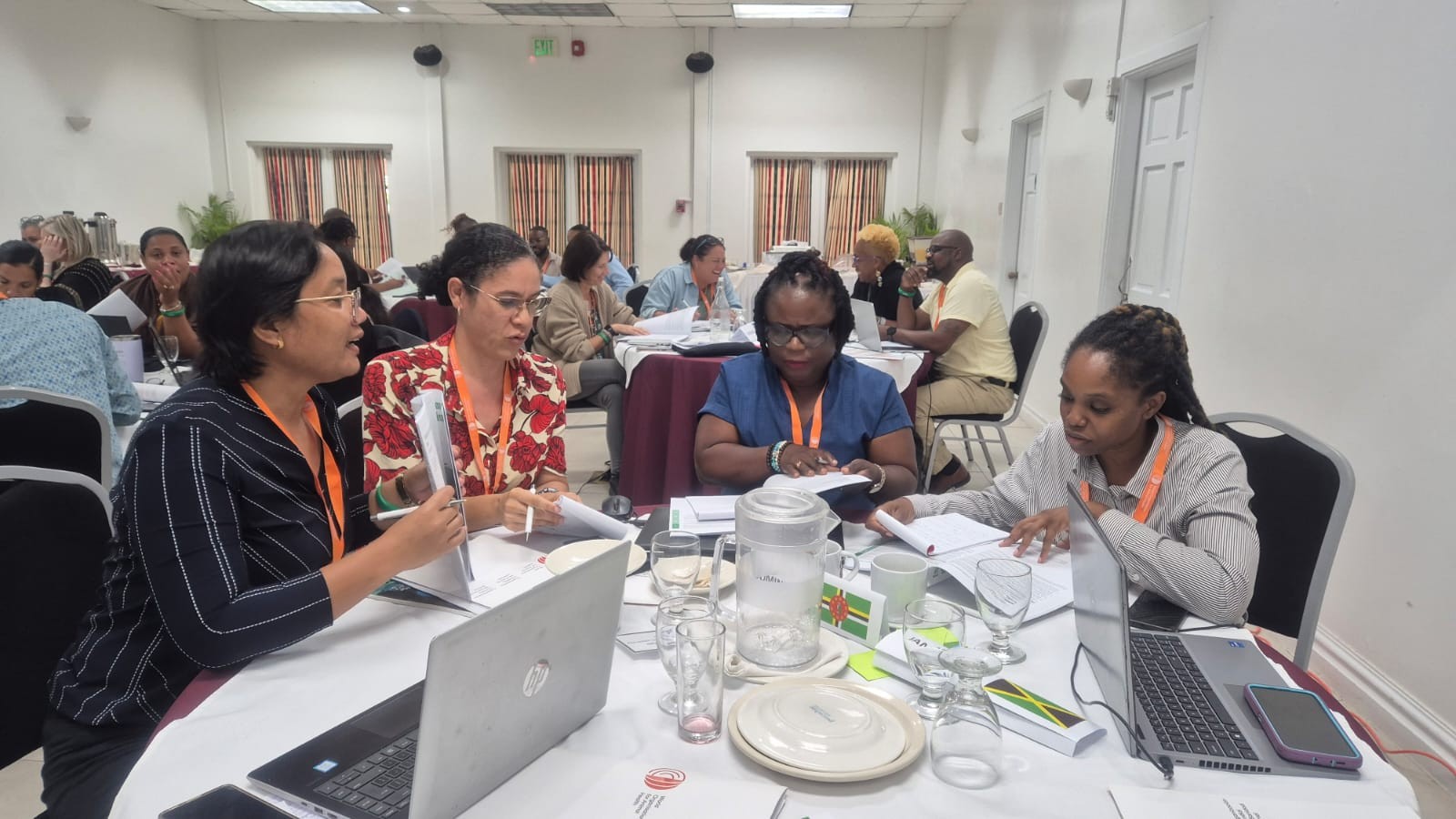
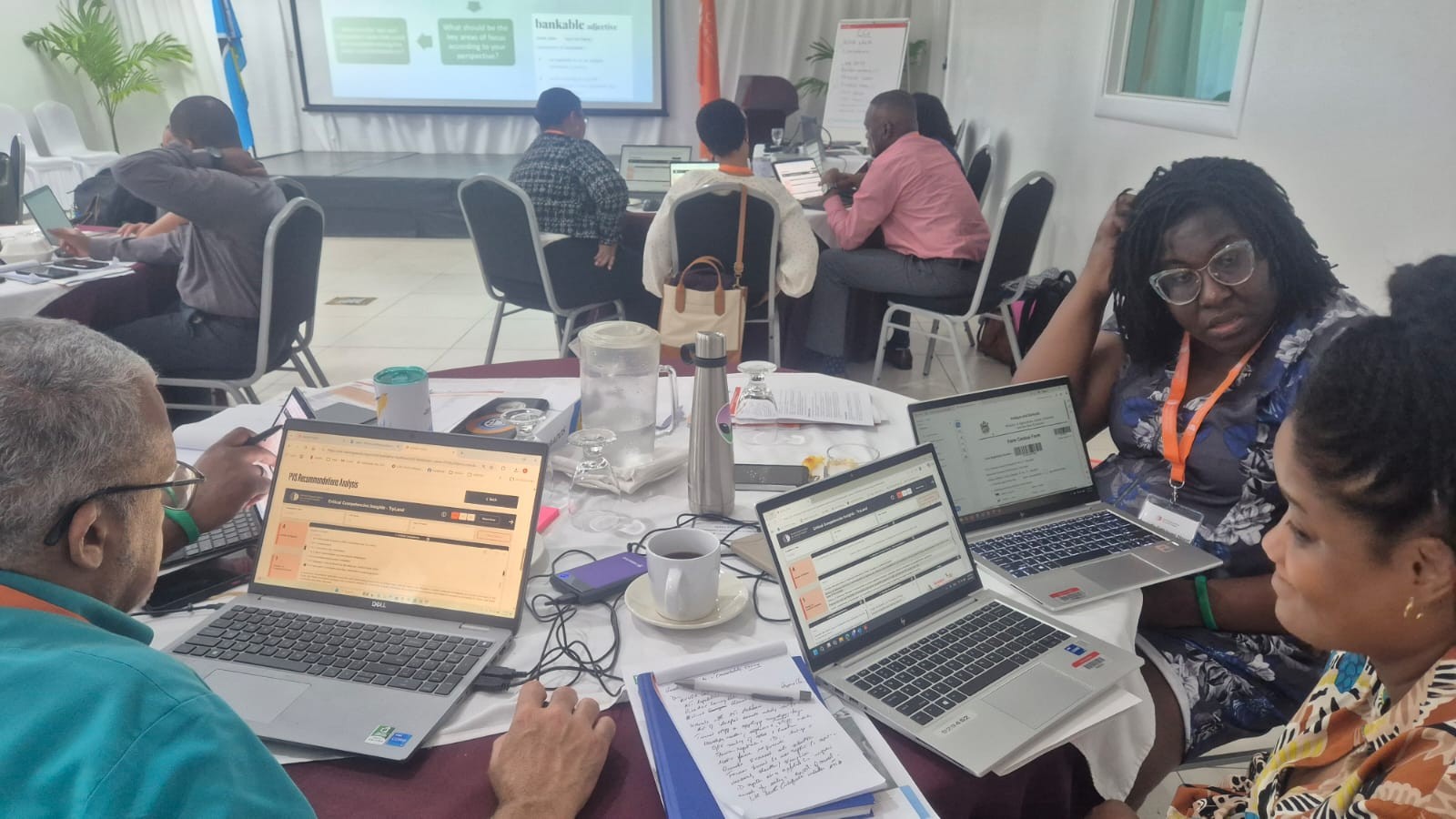
A PVS Pathway Orientation Training Workshop was organised in Saint Lucia in April 2026 in the framework of the Pandemic Fund project. This project aims at strengthening prevention, preparedness, and response to emerging health threats through a One Health approach. The workshop supported preparations for upcoming PVS Evaluations in Caribbean countries beneficiaries from this project.
Mark Trotman, Barbados: The biggest benefit is that it gives you direction, a goal and a target to work towards. It clearly outlines where we need to go as Veterinary Services and provides a plan and a starting point, so we can ultimately achieve the standards we need to reach.
Natalie Toney, disease surveillance coordinator of The Bahamas: One of the biggest benefits has been the opportunity to interact with agencies that we had not been able to connect with easily before. Some of these agencies did not fully understand the role of the Bahamas Agriculture Health and Food Safety Authority, so the process helped open new conversations. It also highlighted many of our gaps. It is not just us saying that we need more staff or more funding for laboratories — the assessment provides an external perspective on what is needed to strengthen our system.
A key outcome of many PVS activities is a report containing valuable data and insights, providing an objective evaluation of the performance of Veterinary Services on a specific topic of interest. The findings are endorsed by the country, and the report may be made publicly available depending on the country’s preference. The PVS Information System (PVS IS) enables easy access to available PVS reports
Roxanna Alvarez, Belize: There are many benefits. One of the most important is understanding that even small countries have a voice. It also puts us in a stronger position to engage with our trading partners. Working towards international standards, achieving them and being able to trade more easily with other countries are key benefits. It also helps us better understand the broader global animal health situation.
Mark Trotman, Barbados: Being able to participate in the international standards-setting process and interact with colleagues from Veterinary Services around the world is extremely valuable. We can network, exchange experiences, and learn new methodologies and practices from other countries.
Natalie Toney, The Bahamas: As small countries, we can sometimes be overlooked when it comes to training opportunities or access to research. Being part of WOAH connects us to resources, expertise and opportunities that otherwise might not be available to us.
More information: