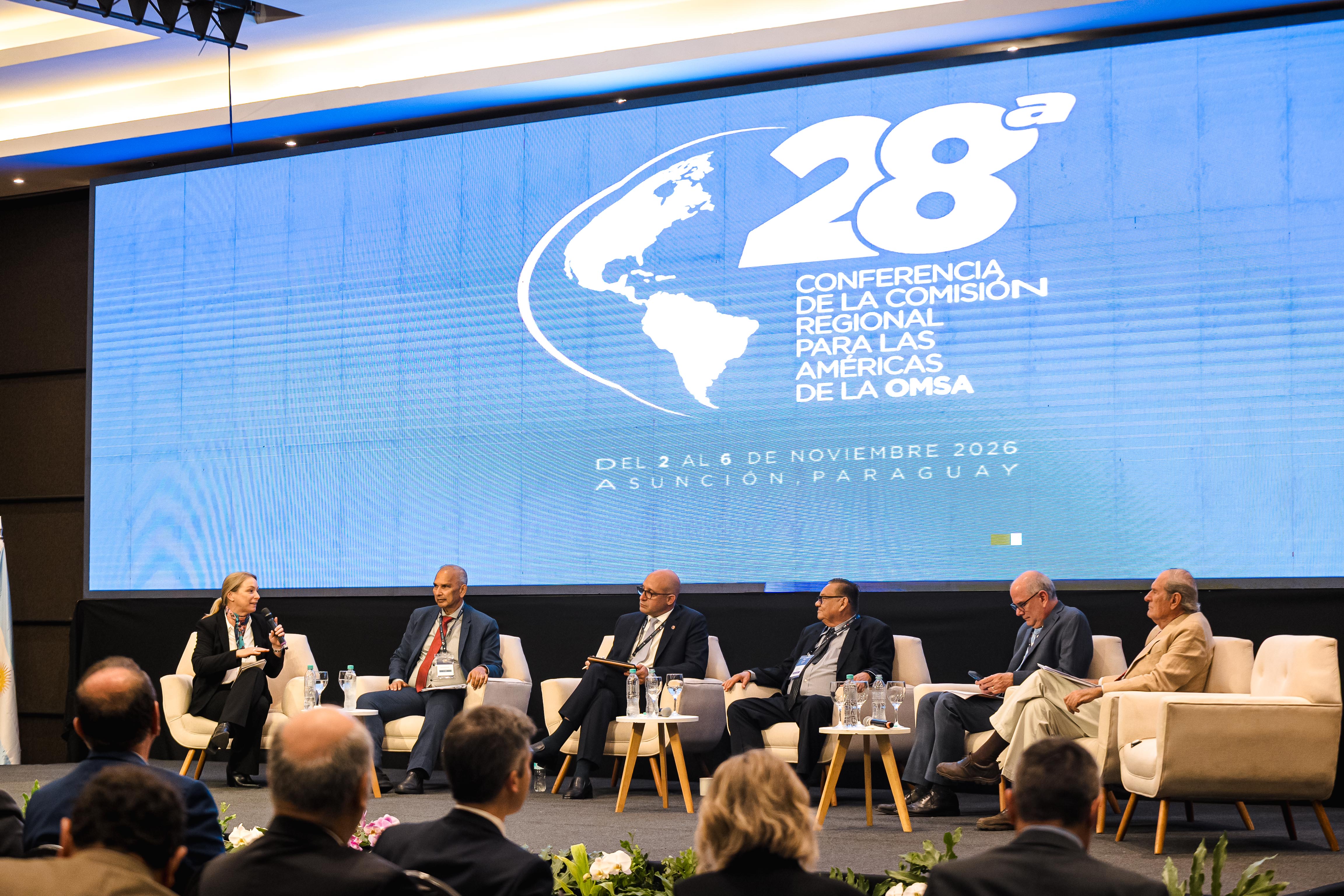
Asunción, Paraguay, 6 November 2026 – After several days of high-level dialogue and technical exchange, the 28th Conference of the Regional Commission for the Americas of the World Organisation for Animal Health (WOAH) concluded. It was held from 2 to 6 November in Asunción, Paraguay, and co-organised with the National Animal Quality and Health Service (SENACSA).
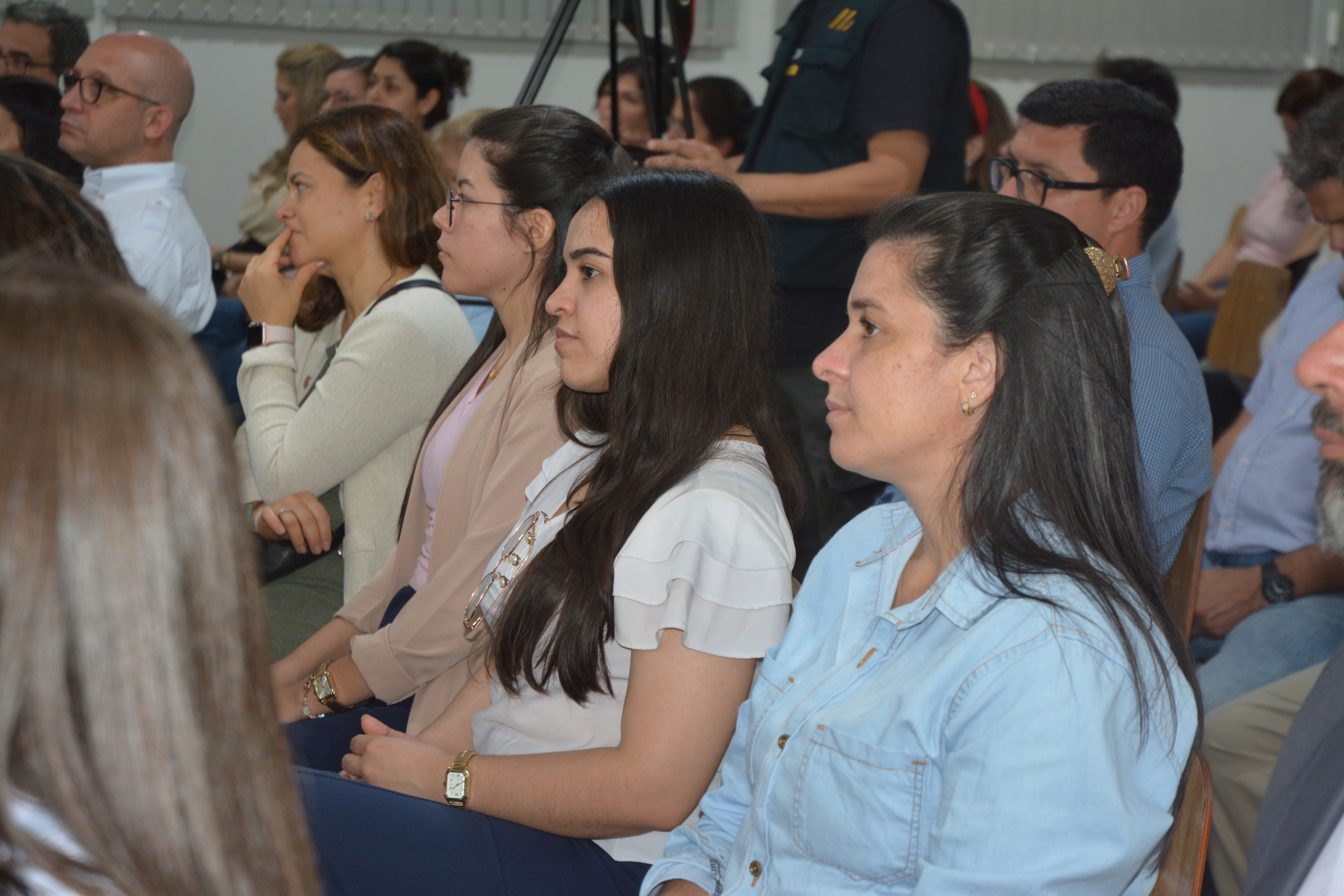
The meeting brought together nearly 100 participants, including delegates from the region’s Members, representatives of Veterinary Services, academic institutions and strategic partners, to analyse the main health challenges and define shared priorities for moving towards more sustainable and resilient animal health systems.
One of the central messages of the conference was the need to recognise animal health as a strategic investment rather than an expense. During the ministerial panel that opened the meeting, authorities from Paraguay, Uruguay, Argentina and Costa Rica shared national experiences and progress, highlighting the importance of public-private collaboration and sustained investment in animal health capacities.
Representatives of international organisations, financial institutions and the production sector stressed the importance of having solid economic evidence to demonstrate the return on investments in prevention, surveillance and the strengthening of animal health capacities.
In this regard, it was emphasised that Veterinary Services are an essential public good, whose responsibility cannot be delegated to the private sector. Their capacity to prevent, detect and respond to animal diseases has a direct impact on production, producers’ incomes, international trade, food security and public health. The value of WOAH’s evaluations under the PVS Pathway was highlighted as a tool for identifying gaps, setting priorities and informing investment decisions.
Representatives of the Inter-American Development Bank (IDB), the World Bank and the Inter-American Institute for Cooperation on Agriculture (IICA) agreed on the importance of translating the needs of animal health systems into concrete economic arguments that make it possible to mobilise resources.
Preparedness for animal health emergencies featured prominently in the discussions, particularly in light of the risks associated with priority animal diseases for the region.
In this regard, participants recognised the growing value of epidemiological models for strengthening prevention, preparedness and response to animal health emergencies. A survey on foot-and-mouth disease1 revealed that 85% of respondents had previously used epidemiological models and that all considered them relevant, especially for outbreak preparedness. Models can help identify risk areas, anticipate spread, compare control options and estimate the personnel, vaccine stocks and other resources needed. However, significant gaps remain: 92% of respondents cited the limited capacity of staff to interpret model results as an obstacle, and 73% said they had only partial knowledge of the criteria for assessing the quality and reliability of models.
Agricultural production in the Americas region plays a fundamental role in the global food supply. The challenge is not only to produce more, but to do so safely and sustainably.
Throughout the technical sessions, participants addressed a broad agenda of priorities, including wildlife, animal welfare and aquatic animal health.
The diversity of production systems in the Americas calls for solutions adapted to different national realities, from family and traditional production to intensive systems, and for collaboration among different sectors.
In this regard, the event provided an opportunity to discuss the action plans proposed for these priority areas. These plans will be implemented progressively with the support of dedicated multisectoral coordination groups and are organised around four pillars: standards and governance, communication and partnerships, capacity development, and evidence.
The future of animal health also lies with the new generations. As part of the activities, the Director General of WOAH, Dr Emmanuelle Soubeyran, visited the Faculty of Veterinary Sciences of the National University of Asunción, where she received an Honorary Doctorate. She also encouraged future professionals to take a leading role in addressing tomorrow’s health challenges.
The conference concluded by reaffirming the value of regional cooperation and multilateralism in addressing shared health challenges. The institutions and the trust built jointly must endure beyond the individuals and the positions they hold at any given time. In a region as diverse and interconnected as this one, collaboration is one of the main strengths for protecting animal health and responding to the needs of societies.
The 28th Regional Conference thus reaffirmed the role of WOAH as a space for meeting, cooperation and the building of common positions, connecting its Members with a global community of experts and promoting the translation of international standards, recommendations and commitments into concrete action.
More information:
WOAH sincerely thanks the National Animal Quality and Health Service (SENACSA) for its support in the development and running of this conference.