AGROSAVIA is Colombia’s leading agricultural research institution and has 15 research centers distributed across different regions of the country, enabling it to work in a wide variety of productive ecosystems.)
It is an honor for Colombia to be part of this consortium through AGROSAVIA (the Colombian Agricultural Research Corporation), alongside Mexico, Uruguay, and Chile. This inclusion strengthens regional cooperation and will allow us to continue promoting animal welfare and sustainable livestock systems in the region.
Our goal is to contribute to the exchange of knowledge and work alongside institutions in the region to promote the adoption of practices that foster ethical, sustainable, and scientifically evidence-based livestock production.
Animal welfare is a strategic priority for the Americas, a region characterized by highly diverse animal production systems. Rising consumer expectations, coupled with evolving market demands, are generating strong momentum to advance this agenda.
One of the main challenges is reducing the technological gaps that still exist in many production systems. These gaps limit farm efficiency and hinder decision-making, especially in the face of growing challenges such as climate change.
Another significant challenge is the availability of information. There is still a shortage of data on animal welfare that would allow us to assess the situation on farms and guide policies or strategies for improvement. Having reliable information will be essential to making progress in this area.
At the same time, we now have new technological tools and comprehensive approaches, such as “One Welfare” and “One Health”, which offer opportunities to address these challenges more effectively.
In 2025, PAHO established a regional coordination group on animal welfare. This group will be responsible for developing, monitoring, and implementing a work plan on animal welfare for the Americas.
These concepts are closely linked. In Colombia, we have promoted silvopastoral systems and agroecological practices that demonstrate how it is possible to simultaneously improve animal welfare and the sustainability of production.
These systems provide better comfort conditions for animals—especially in the face of heat stress—improve production efficiency, promote carbon sequestration, and help reduce greenhouse gas emissions.
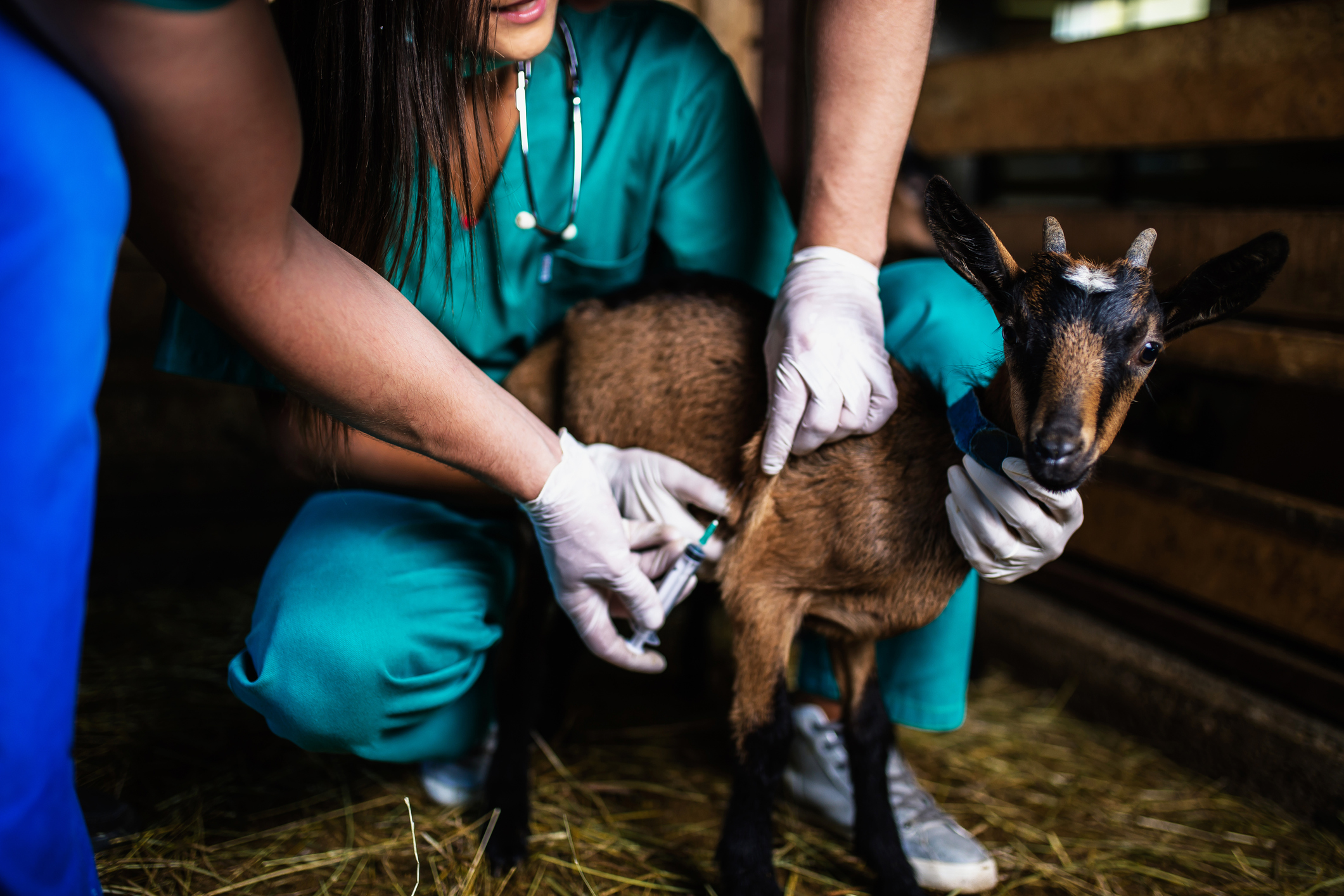
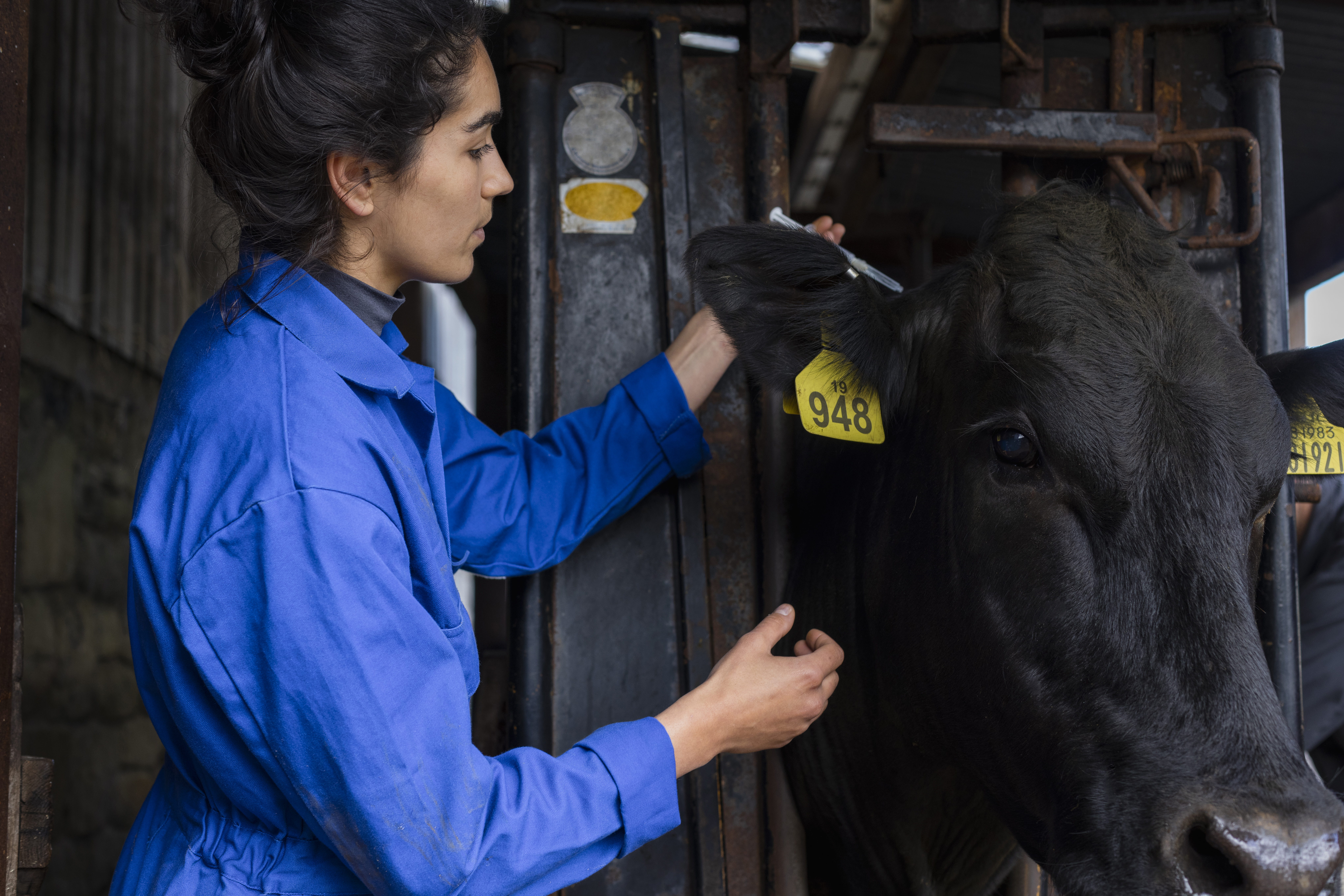
In addition, good animal management practices also impact food quality and safety. Proper handling during milking or prior to slaughter improves the quality of meat and milk and meets a growing demand in international markets for more responsible production systems.
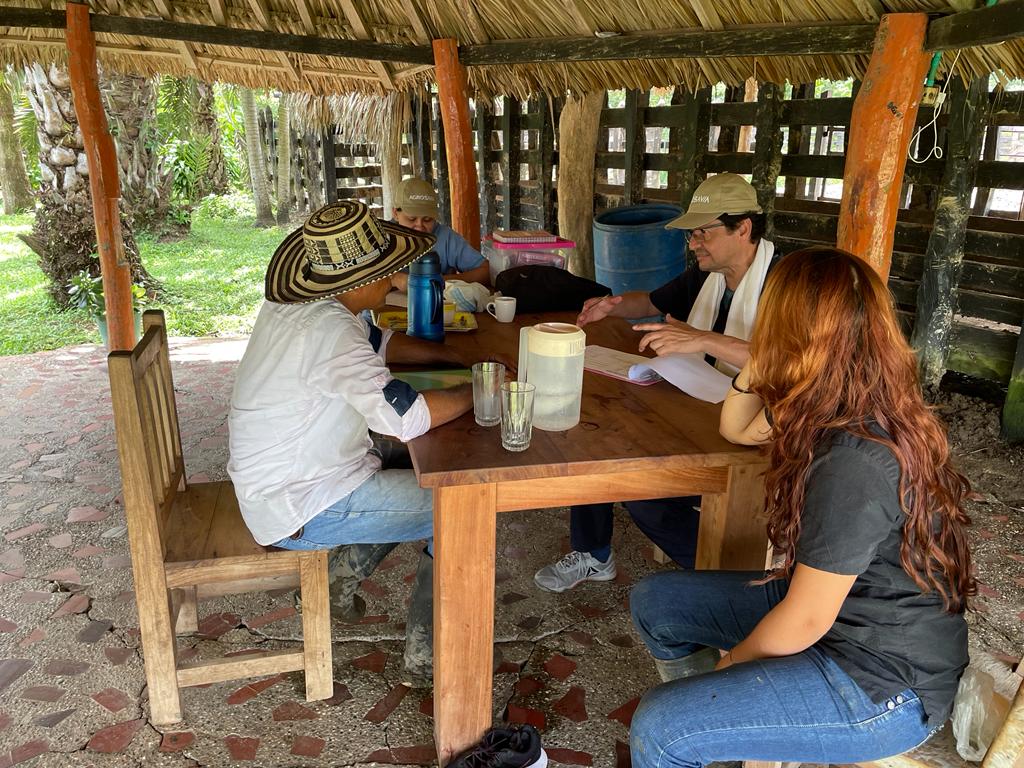
We are currently participating in a regional project funded by FONTAGRO, together with institutions from Argentina and Chile, to strengthen the resilience of livestock systems through the “Un Bienestar” approach.
Beyond the scientific results, one of the main contributions has been to create opportunities to raise awareness about what animal welfare truly means. Although the concept is becoming increasingly well-known, narrow views still persist that associate it solely with animal nutrition or health.
Animal welfare also involves considering their behavioral and emotional states; it is essential to promote ethologically sound management practices and reduce painful procedures when alternatives are available.
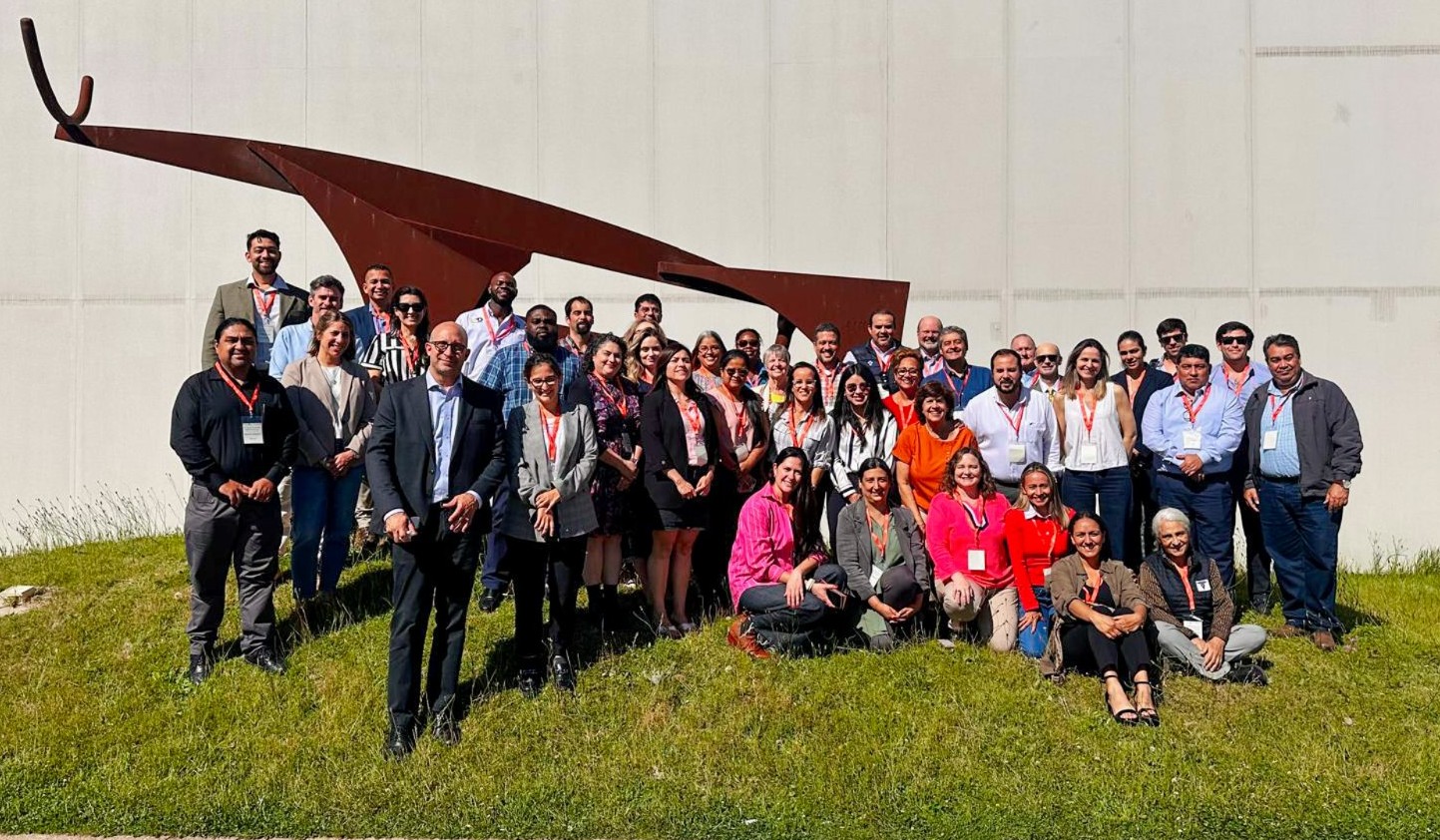
We hope to contribute the expertise we have developed in research, innovation, and knowledge transfer, as well as to strengthen scientific exchange with the other collaborating centers in the region.
This collaboration will enable us to develop joint projects, share methodologies, and generate evidence that will help make livestock systems in the Americas increasingly sustainable, resilient, and respectful of animal welfare.
More information: